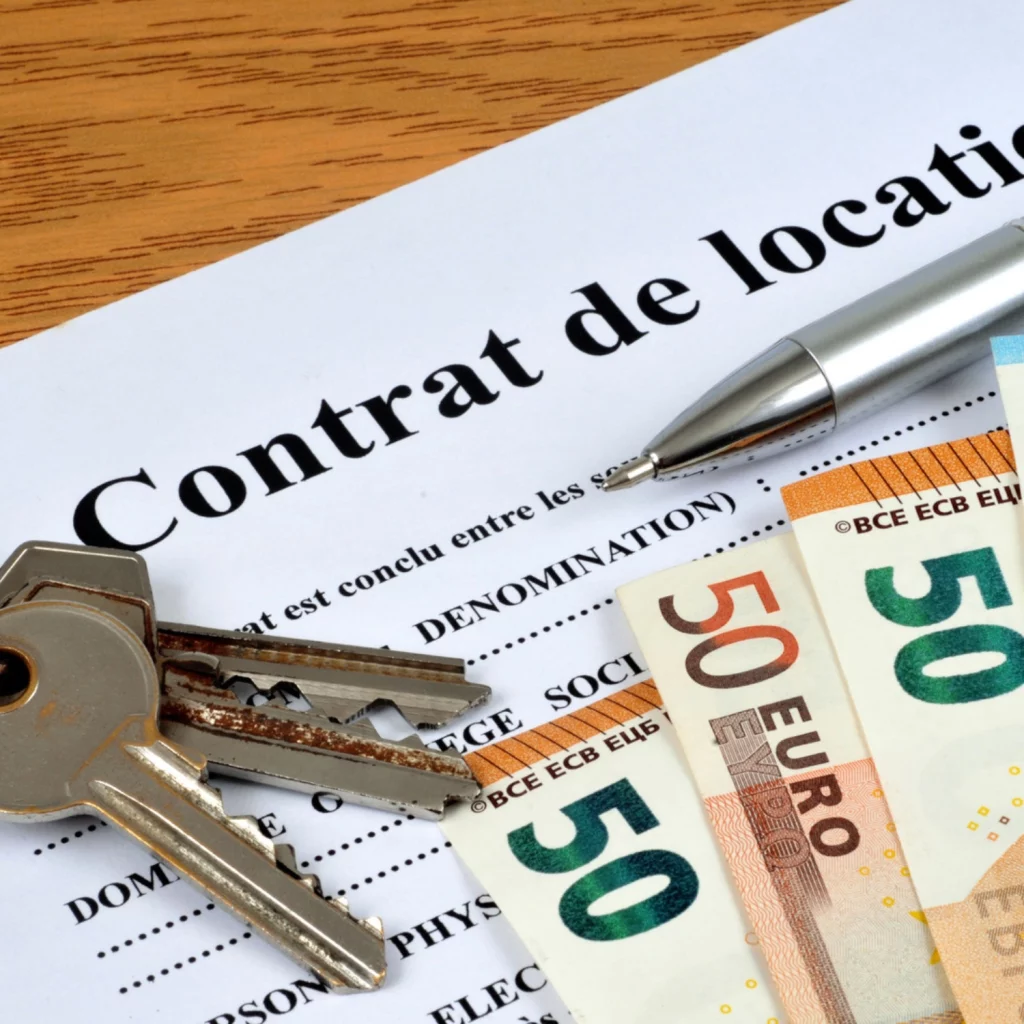
What does a barrel of oil have to do with housing prices in Luxembourg? More than it seems: energy feeds inflation, inflation decides interest rates, and rates decide how much you can borrow.
Energy takes the wheel again
Euro area inflation reached 3.2% in May. The culprit? Energy, almost exclusively. Brent is up 65% year on year, TTF gas up 34% and electricity up 25%. The peak is expected in June, at around 3.3%, before a gradual slowdown.
The ECB remains vigilant, but wage moderation and a stronger euro are limiting the knock-on effects for now. What matters to us directly: an ECB rate rise in 2026 remains likely.
Through interest rates, that energy ends up weighing on housing prices.
The Tripartite has reached an agreement. And housing prices?
After three days of negotiations in Senningen, the government, unions and employers reached a deal. No structural rise in the minimum wage, but a tax credit worth around €200 net extra for low earners by July 2027, topped up by a temporary economic credit equivalent to one index tranche for all employees. Total cost: €450 million over two years, with no new taxes.
The question that concerns us: do these 200 euros change anything for access to housing?
The honest answer is no, at least not directly. An unskilled employee on the minimum wage, the most common profile at 84% of those who receive it, earns around €2,700 gross a month. Renting a one-bedroom flat in Luxembourg City costs between 1,400 and 1,600 euros, which means more than 65% of income goes on rent. An extra 200 euros leaves that equation unchanged.
What the agreement does change is the political signal: housing is now explicitly on the agenda of the next Tripartite sessions. For the first time in a long while, it is being treated as a social emergency. That may well be the most concrete step forward.
The property market: clear eyes required
Economist Michel-Edouard Ruben puts it bluntly: what Luxembourg calls a “housing crisis” has lasted since 1921. It is a permacrisis. Restoring 2019 levels of housing affordability would require new-build prices to fall by 33%, from 10,000 to 7,000 euros per square metre. Neither the market, nor the banks, nor lawmakers are ready to face that scenario.
On the ground, the figures for the fourth quarter of 2025 speak for themselves: off-plan sales fell 62.4% on the previous year. The existing market is holding up better, with 996 transactions, close to pre-crisis levels, supported by a price correction of around 20% since the 2022 peak.
In short: existing homes sell. New builds wait.
What we take from this
Three signals point the same way this week: an energy shock that threatens interest rates, a social agreement that finally recognises housing as a priority, and a market that has yet to find its new balance.
In this climate, guidance cannot be improvised. Buying, selling or investing today calls for a close reading of the market, and someone who knows the ground.
That is exactly what we do.
Meier Muckensturm, property with a guide by your side.